Supplier Due Diligence
How to Verify a Fluorochemical Supplier in China
A company registration and a low quotation do not prove that a supplier can consistently make, test and export the fluorochemical you need. Use this evidence-based framework to qualify the legal entity, production site, technical fit, quality controls and shipment readiness before placing an order.
Since 2008
Chemical import and export experience
24 Hours
Initial human response target
3 Years
Retained reference sample period
8 Years
Ongoing R134a sourcing relationship
Start With the Evidence
Supplier verification is product-specific
A valid Chinese company may still be a trader rather than the producer shown in its quotation. A real factory may be qualified for one fluorochemical but lack the equipment, licence scope, analytical capability or export route for another. Verification must therefore connect the exact legal entity and production address to the exact product name, CAS number, grade, specification and intended destination.
Corporate identity should be checked against the national public record. China’s State Administration for Market Regulation describes the National Enterprise Credit Information Publicity System as the national platform for registration, licences, penalties and abnormal-operation records.
Define the supplier you are approving
- Contracting and invoicing entity
- Actual manufacturing site and production line
- Product name, CAS number and required specification
- Original grade or target replacement grade
- Annual volume, packaging and destination market
- Exporter of record and dangerous-goods logistics route
Chemical Supplier Factory Audit Checklist
A six-layer audit for a Chinese chemical manufacturer
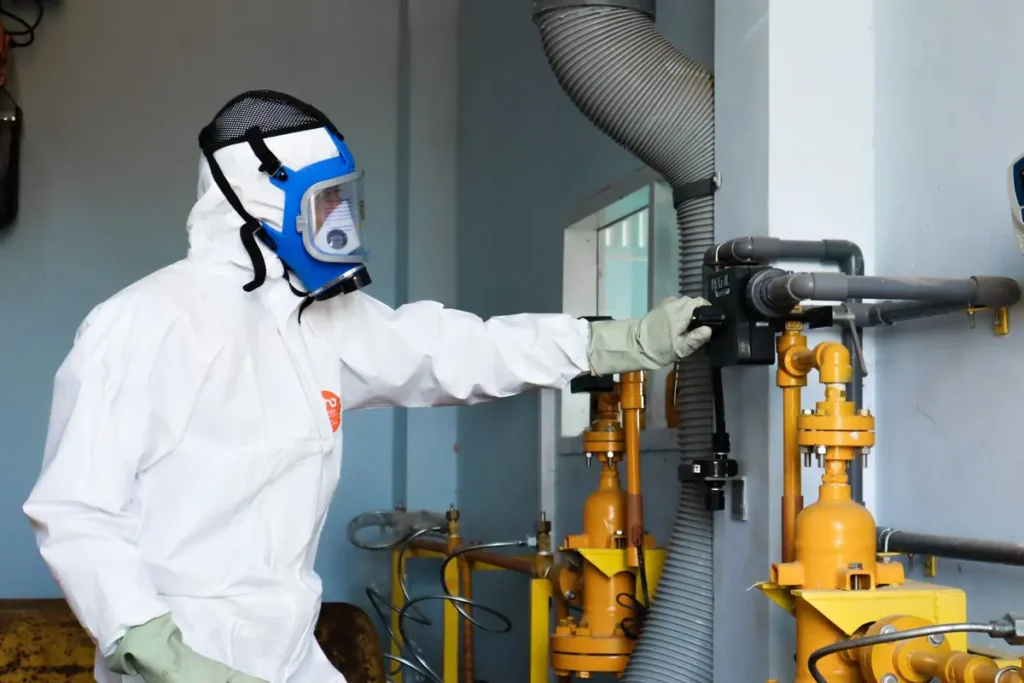
A factory audit is the on-site evidence stage of supplier verification. It should confirm that the named legal entity and production address connect to the actual production line, equipment, quality records, safety controls and licences for the product you intend to buy. Use the six layers below as a decision checklist rather than treating a factory visit as proof by itself.
1. Legal identity
Match the unified social credit code, legal representative, registered address, business scope and operating status. Confirm which entity will sign the contract and receive payment.
2. Manufacturing status
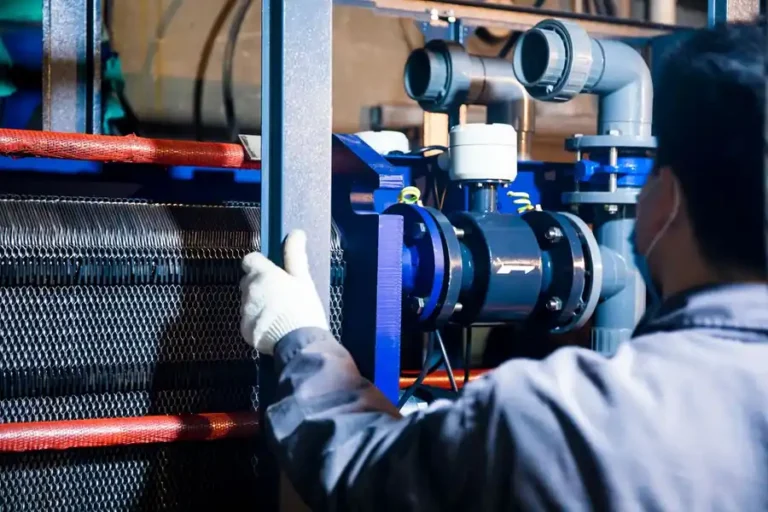
Confirm whether the supplier owns the production line or represents another producer. Cross-check the factory address, major equipment, practical capacity and recent production evidence.
3. Licence scope
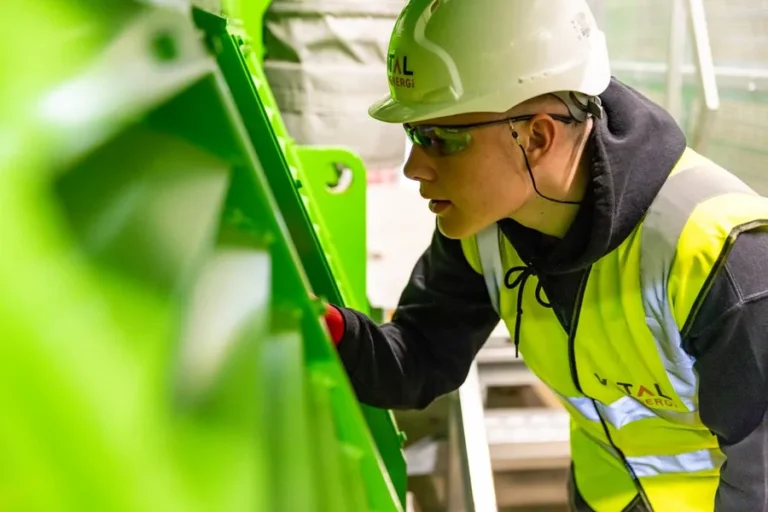
Check whether the named product and site fall within the relevant production or operating permissions. The Ministry of Emergency Management rules set out licensing requirements for hazardous-chemical producers.

4. Technical fit
Compare the specification, analytical method, application, packaging and critical impurities. For a replacement grade, involve the factory’s technical team rather than matching only the trade name.

5. Quality evidence
Review recent batch COAs, test methods, raw-data availability, change control, complaint history and traceability. Use an independent laboratory when risk or contract terms justify it.
6. Export readiness
Confirm exporter identity, quota or licence needs, SDS and classification, approved packaging, labels, booking route, port capability and previous export evidence for comparable cargo.
Document Matrix
Evidence to request before supplier approval
| Verification area | Evidence to collect | What to cross-check | Typical stop condition |
|---|---|---|---|
| Corporate identity | Business licence, unified social credit code, bank account and contract entity | Names, addresses and legal representative agree across records | Payment requested to an unrelated entity without a documented reason |
| Factory status | Site address, line list, equipment, capacity evidence and factory visit | The quoted product is made at the inspected site | Supplier refuses to identify or show the production location |
| Hazardous-chemical scope | Applicable production, operation, use and storage permissions | Product, site, entity and validity period are within scope | Expired, altered or mismatched licence information |
| Technical qualification | TDS, SDS, specification, test methods, recent COAs and sample | CAS, grade, impurities and application requirements align | Trade-name-only matching with no specification comparison |
| Quality system | Batch records, nonconformance process, retained samples and complaint records | Lot numbers connect raw material, production, testing and shipment | No batch traceability or no defined response to failed material |
| Export execution | Export examples, classification, packaging, labels, declarations and logistics plan | Documents and physical cargo use the same identity and description | No workable route for the product’s actual hazard classification |
Sample and Test
Approve the material, not only the paperwork
A clean document set does not prove that the delivered batch will work in your process. Build approval around a representative sample, agreed test methods and measurable acceptance criteria.- Seal and identify the approved reference sample.
- Test the properties and impurities that affect your application.
- Define who samples, which method applies and who pays for retesting.
- Use a mutually accepted third-party laboratory when results are disputed.
- Connect the approved sample to the commercial batch and lot number.
Red Flags
Warning signs that require clarification before payment

Identity and access
- Different company names appear on the quotation, licence and bank account.
- The supplier claims to be a factory but will not disclose the manufacturing site.
- A factory visit is repeatedly delayed or limited to offices and warehouses.
- Capacity claims cannot be connected to equipment, shifts or production records.

Technical and quality control
- The proposed “equivalent” is based only on a brand or grade name.
- Every batch COA shows identical values rather than measured results.
- The supplier will not agree on sampling, retesting or nonconformance handling.
- Packaging and export documents are discussed only after the order is paid.
Order and Export Control
Verification continues through loading and shipment
Supplier approval is not a one-time certificate check. The commercial batch must stay connected to the approved specification, sample, packaging and exporter throughout production and shipment.- Confirm production lot and COA before release.
- Check package type, net weight, labels, seals and pallet condition.
- Photograph or supervise loading against the packing list.
- Verify the SDS, transport classification and emergency information.
- Retain a sealed reference sample for later comparison.
Refrigerant Supplier Verification
Additional checks before buying refrigerants from China
Refrigerants require the same legal, factory and quality review as other fluorochemicals, plus product-specific checks for controlled substances, filling operations, cylinders and the destination market. Do not assume that a general chemical business licence proves that a supplier can manufacture, fill or export the refrigerant in your RFQ.
Product, quota and supply chain
- Confirm the refrigerant designation, chemical composition, CAS number, purity specification and whether the material is a single component or blend.
- Identify the actual producer, filling site, contracting entity and exporter of record; document any different entities and their roles.
- For a controlled ODS or HFC, check whether the producer and the transaction fall within the applicable annual quota, filing and approval framework.
- Verify whether the destination country requires an import quota, licence, registration or product restriction before shipment.
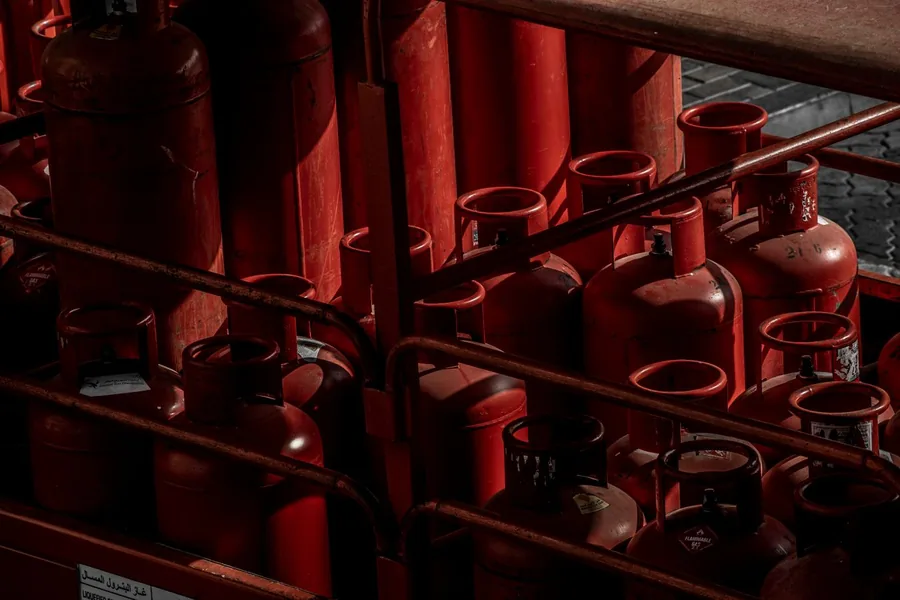
Batch, filling and shipment evidence
- Agree on purity, moisture, acidity, non-condensable gas and residue limits that are relevant to the refrigerant and application.
- Connect the commercial lot to a batch COA, filling record and sealed reference sample; use a mutually accepted laboratory when independent confirmation is required.
- Confirm cylinder ownership or supply, cylinder specification, valve, net fill weight, markings, labels and inspection validity.
- Match the SDS, transport classification, package approval, dangerous-goods declaration and shipping documents to the actual product and cylinder.
- Check the container loading plan, cylinder restraints, seal number and destination-country documentation before release.
ChemNora’s Role
An independent sourcing office between your team and the factory

Transparent supplier selection
In transparent sourcing projects, we can disclose the shortlisted factories, compare quotations and document why a supplier is recommended. ChemNora does not present itself as the manufacturer.

Technical coordination
We coordinate your R&D, QA and procurement questions with factory technical personnel, arrange samples and support grade-replacement evaluation against agreed specifications.
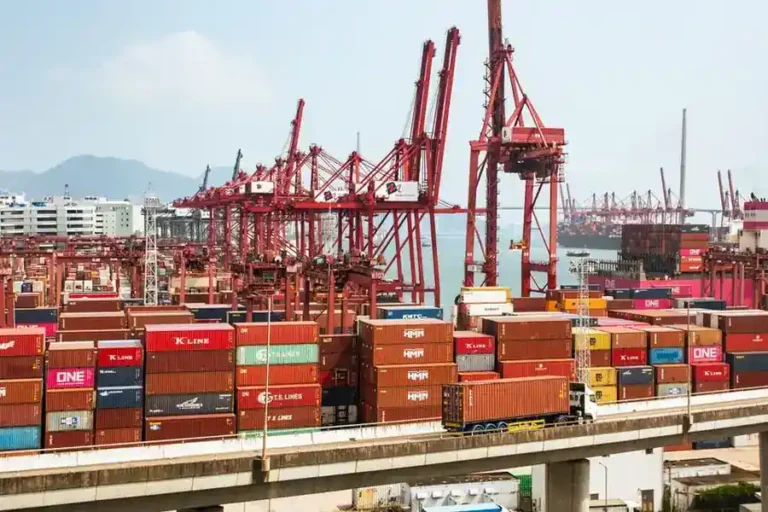
Execution through shipment
Our scope can include negotiation, factory visits, QC coordination, loading supervision, dangerous-goods export documentation, quota or licence coordination and regular reporting.
| Send with your verification request | Why it matters |
|---|---|
| Product name and CAS number | Prevents ambiguity between commercial names and chemical identity |
| Specification, original grade or target properties | Defines the technical approval criteria |
| Application and critical failure risks | Focuses testing on properties that affect your process |
| Order quantity, packaging and destination | Determines viable factories, MOQ and export route |
| Required timeline and testing standard | Aligns the supplier audit, sample and order schedule |
Frequently Asked Questions
Questions buyers ask before approving a Chinese fluorochemical supplier
Can a business licence prove that the supplier is the manufacturer?
No. It proves the registered entity and business scope, but not necessarily that the company owns the production line for your product. Factory address, equipment, production records, licence scope and an on-site or live-video review should be cross-checked.Should we approve a supplier from the COA alone?
No. A COA should be reviewed together with the specification, test methods, batch traceability and a representative sample. Critical applications may also require independent testing and process trials.Can ChemNora disclose the factory name?
Yes, in a transparent sourcing engagement we can disclose the shortlisted supplier identities and supporting evidence. Public use of a factory’s name or logo still depends on permission, and ChemNora does not claim to be the factory.Who performs the factory audit and quality inspection?
ChemNora or a partner can visit the site and coordinate the review. Product testing may be performed by the factory or a mutually accepted third-party laboratory, depending on the agreed risk and contract requirements.What happens if the delivered material fails the agreed specification?
The response should follow the contract: evidence review, retained-sample comparison and, where necessary, testing by a mutually accepted third party. Replacement, refund or compensation must be defined in the purchase contract rather than assumed.Need an independent check before you approve a supplier?
Send the product name, CAS number, specification, target quantity and supplier details. ChemNora will confirm the verification scope and respond within 24 hours.