
China Fluorinated Fluid Sourcing
Electronic Thermal Fluids from China
ChemNora helps international buyers compare Chinese sources of HFE, PFPE, perfluoroketone, immersion-cooling and electronic-cleaning fluids. We coordinate technical matching, samples, supplier evidence and export execution as an independent sourcing partner—not as the manufacturer.
5 Fluid RoutesMapped by chemistry and use case
24 HoursInitial human response target
Sample FirstBuyer testing before approval
3 YearsRetained reference sample period
Product Range
Choose the fluid family from the application—not the trade name alone
These families overlap in some uses but differ in composition, operating window, volatility, material compatibility, regulatory profile and commercial availability. ChemNora first translates the buyer's system into a comparison brief.
Hydrofluoroether (HFE) Fluids
Candidate fluids for precision cleaning, drying, carrier-solvent and selected thermal-management duties. For an imported HFE alternative, identify the exact molecule or blend and compare purity, moisture, boiling behaviour and non-volatile residue before testing.
PFPE Thermal Fluids
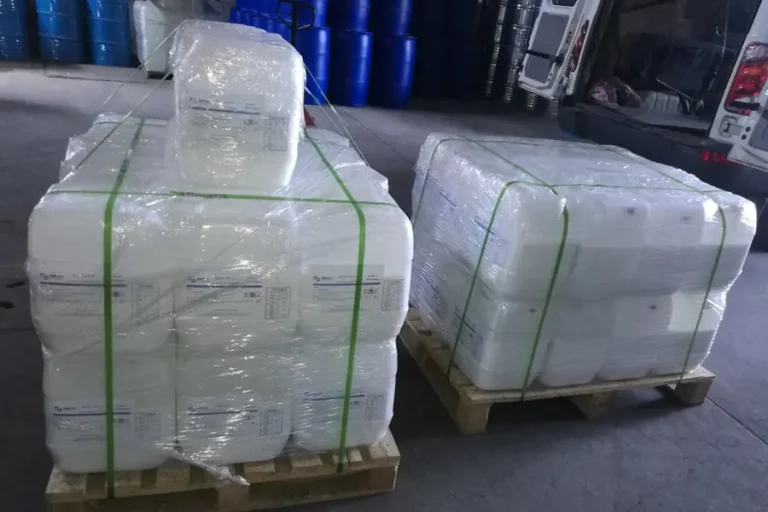
Perfluoropolyether families used in demanding heat-transfer, testing and thermal-control applications. Match boiling range, viscosity and equipment requirements to a tested grade.
Perfluoroketone Fluids
Fluorinated ketone options for specialised thermal or cleaning projects. CAS identity, destination-market status and application conditions require explicit review.
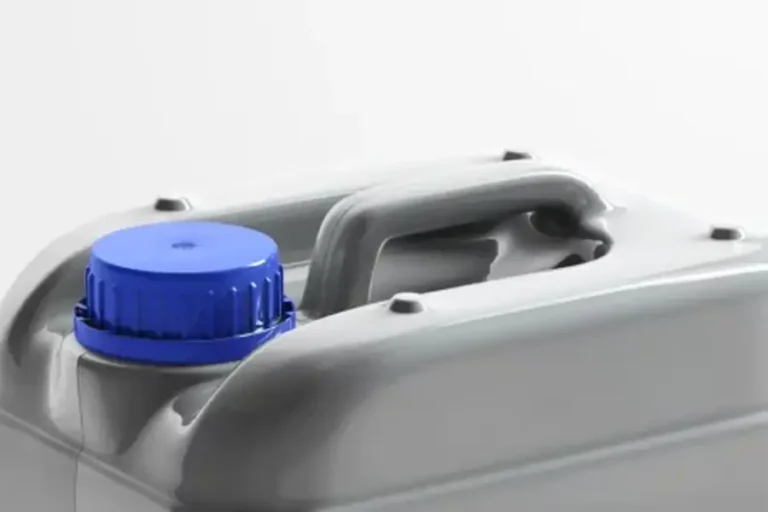
Immersion Cooling Fluids
Single-phase and project-specific fluid sourcing for servers, power electronics and other direct-immersion systems. Fluid choice follows system design and compatibility evidence.
Electronic Cleaning Fluids
Precision-cleaning candidates for electronics and semiconductor-related processes. Define the soil, substrate, cleaning method, solvency requirement, drying time, residue limit and process equipment before sampling.
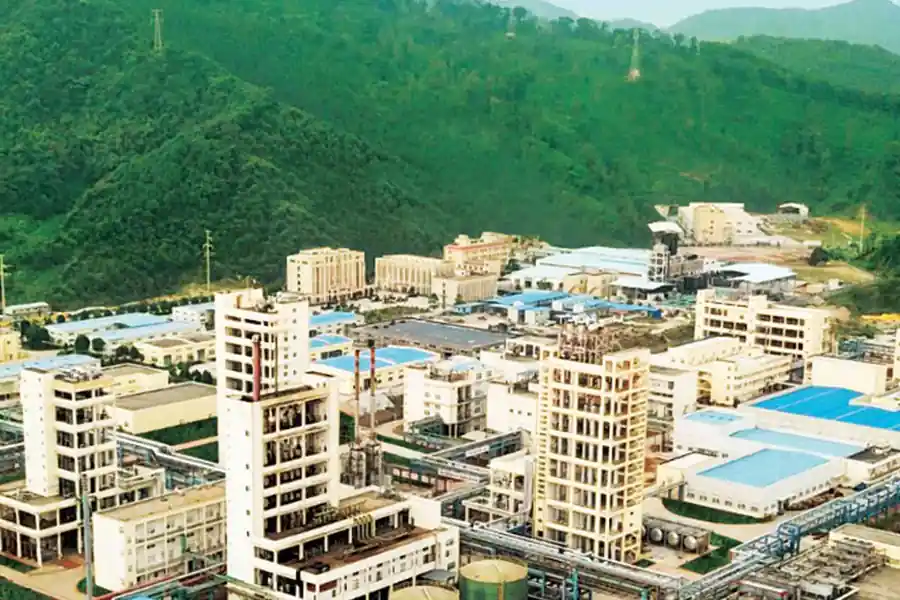
Selection Brief
Give suppliers the operating facts they need to answer correctly
A useful RFQ covers the equipment and application, single- or two-phase concept, operating and storage temperatures, heat load or cleaning duty, wetted metals, plastics and elastomers, exposure time, acceptable residue, required electrical properties and destination market. The Open Compute Project immersion-cooling resources and its material-compatibility guidance illustrate why dielectric strength, permittivity, loss, resistivity, moisture, specific heat and compatibility evidence belong in technical review. ChemNora coordinates questions with factory technical personnel, but the buyer approves the final specification and validation plan.
Comparison Framework
The minimum comparison before a Chinese alternative is approved
| Decision area | Evidence to request | Why it matters |
|---|---|---|
| Identity and grade | Product name, chemistry, CAS where applicable, TDS, SDS and manufacturer | Prevents trade-name-only matching |
| Thermal behaviour | Operating range, boiling behaviour, viscosity, density, specific heat and thermal conductivity | Supports system and process calculations |
| Electrical behaviour | Dielectric strength, resistivity, dielectric constant and moisture method | Relevant where live electronics contact is intended |
| Materials and cleanliness | Compatibility data, residue, non-volatile content, acidity and agreed impurity limits | Reduces damage, contamination and drift risk |
| Compliance and route | Destination-market review, packaging, transport classification, SDS language and export documents | Confirms the proposed transaction can be executed |
| Batch acceptance | COA, approved sample, agreed test method and third-party report when required | Creates a measurable acceptance basis |
Sample and Validation
Approve evidence and a sample before scaling the order
For a replacement project, we compare the reference grade, critical properties and use conditions—not just a supplier's statement that a product is equivalent. A sample can then be tested by the buyer, the factory or an agreed third party under the written acceptance criteria. For immersion projects, the U.S. Department of Energy describes comparative operation in the same tank together with fluid sampling and analysis, hardware checks and loss monitoring. That reinforces a practical rule: system validation matters more than a brochure comparison. Review the DOE project summary. For a defined perfluoroketone substance, verify identity and regulatory records such as the U.S. EPA substance entry for CAS 756-13-8.
Frequently Asked Questions
Sourcing electronic thermal fluids from China
Is ChemNora the manufacturer of these fluids?
No. ChemNora is an independent sourcing partner. We identify and compare Chinese factories, coordinate technical and sample work, and support the agreed transaction and export route.Can you match a discontinued or imported reference grade?
We can coordinate a replacement-grade search using the reference TDS, SDS, application and critical properties. A candidate is not presented as a drop-in equivalent until the buyer completes the agreed testing and approval.What should we send with an RFQ?
Send the fluid family or reference grade, application, operating range, equipment and wetted materials, required tests, annual and trial quantity, packaging, destination and target schedule.Can you arrange samples and third-party testing?
Yes. Samples may be coordinated subject to available packaging and transport rules; the buyer normally pays freight. Factory testing or a mutually agreed third-party laboratory can be included in the project scope.How do you evaluate environmental or regulatory claims?
We ask for the exact substance or mixture identity and supplier documents, then check the intended market and application. We do not apply a blanket “eco-friendly” label to an entire fluid family.Send the system requirement—not only a product name
Share your reference grade or fluid family, operating conditions, materials, tests, quantity and destination. ChemNora will structure the supplier comparison and sample plan.